
Bodies
Environments
Cybernetic Systems
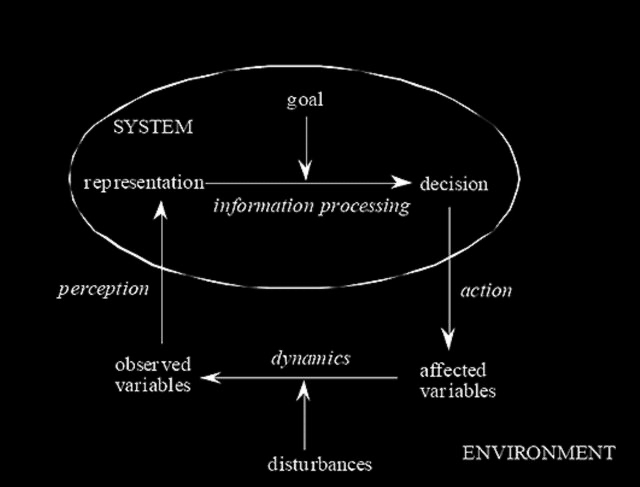
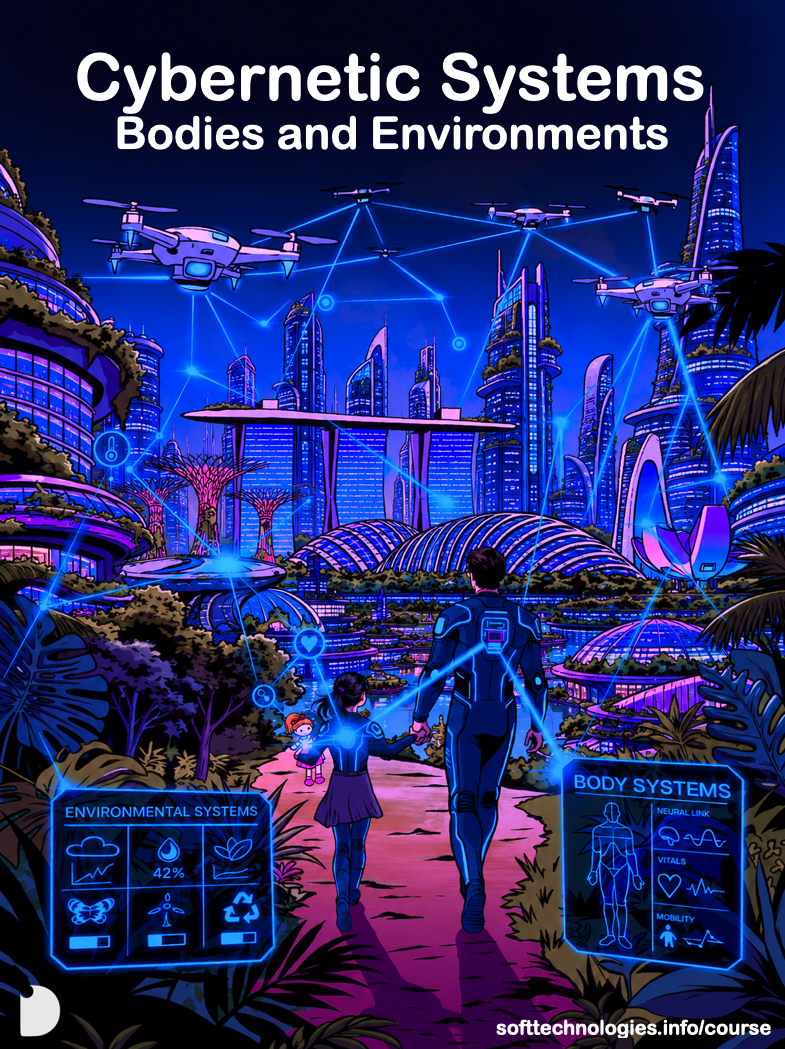
Cybernetic Systems: Bodies and Environments (ID5402/4402) examines design through the lens of cybernetics, with an emphasis on feedback, control, and adaptation across bodies, objects, and environmental systems. Rather than treating technologies as isolated components, it investigates how information circulates among physical, biological, and computational systems; how behaviours emerge through designed feedback loops; and how interactive systems can shape experience, awareness, and action. Students will engage with new technologies and concepts including embodiment, agency, and autonomy.
Through lectures, scifi-inspired prototyping, and project-based learning, students will design and develop smart products and on-body, wearable interfaces using sensors, actuators, microcontrollers, and computational media. The course explores how such systems might augment perception, extend bodily capabilities, enable new forms of interaction, and transform everyday life, while critically examining the social, ethical, and ecological implications of techno-utopian futures.
The course brings together methods and perspectives from design, engineering, the arts, and the sciences, with design as the primary driver of inquiry and synthesis. Students learn fundamental and practical knowledge in computation and physical prototyping, while engaging with aesthetic, cultural, and ethical inquiry and applying design processes to create new forms of on-body, smart product, and environmental technologies.
Course Overview
-

Cybernetic Design
Bodies, fashion, media, and environments. Feedback loops, conditions, and emergence. Human-machine interaction.
-
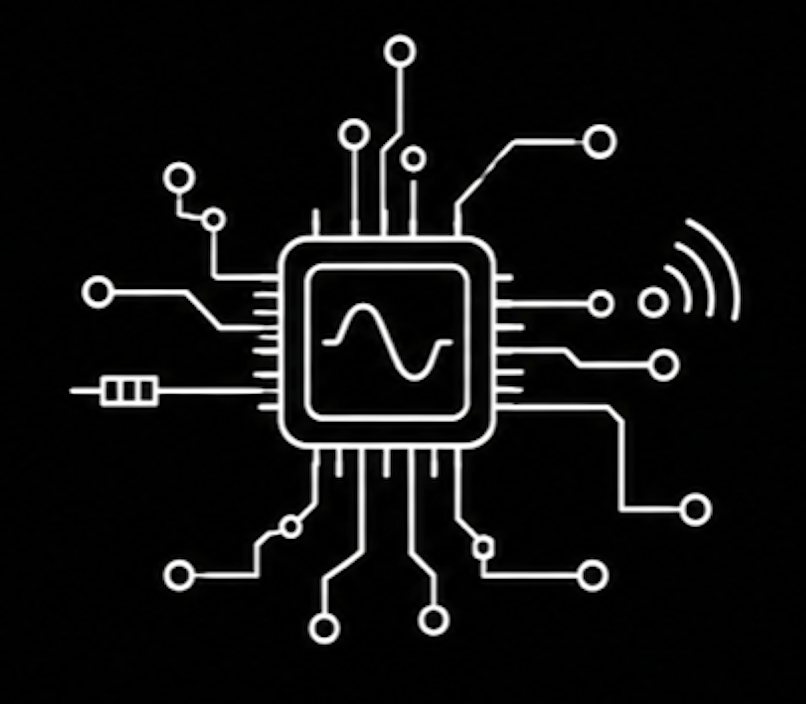
Prototyping Foundations
Microcontroller programming, electronics, signals and control, communications. Soft, wearable and hardware development.
-
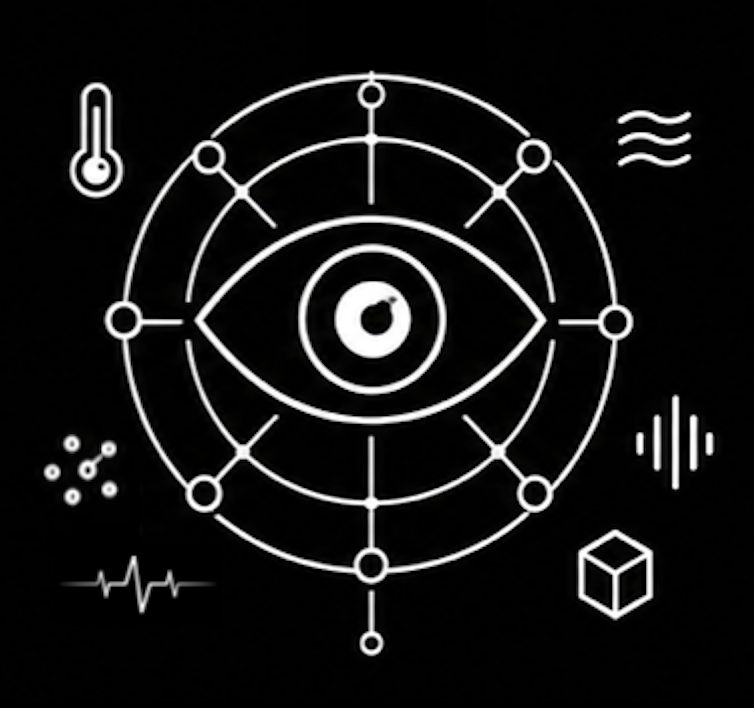
Sensing: Perception and Interpretation
Bodily (bioelectric, kinematic), affective, physiological, and environmental (climate and ecological) sensing. Spatial and distributed systems. Multi-modal sensory inputs.
-
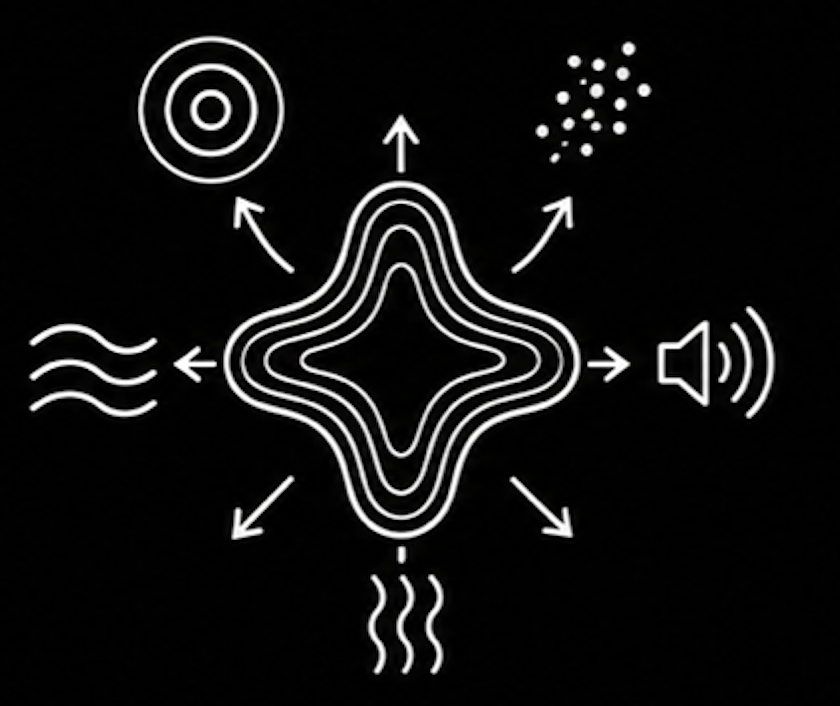
Actuation: Feedback and Intervention
Haptic, thermal, visual, auditory, olfactory interfaces. Temporal dynamics. Soft, textile-based, and material-based actuators. Awareness and behavioral feedback.
-
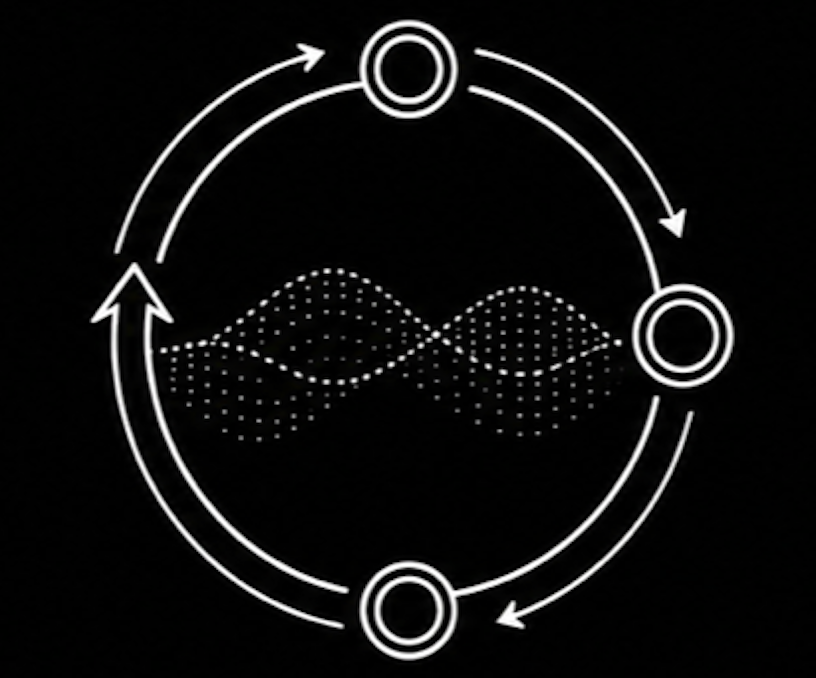
Closed-loop Systems
Adaptive and predictive systems: personalization, contextual, and intelligent feedback. Cybernetic loops.
-

Critical Perspectives and Futures
Health and well-being. Sensory augmentation. User and environmental design methods. Cultural and ethical considerations.
The course is offered to both Master (ID5402) and 4th-year Undergraduate students (ID4402), with differentiated grading criteria and submission requirements.
For the final project, students (individual or group of 2) will develop a working prototype of a wearable/environmental cybernetic system. The project will be assessed based on the integration and functionality of the working prototype, as well as the quality of technical, visual, and process documentation.
Additional assessment components include class participation, an evaluation and reflection report, and two lab assignments. The lab assignments are intended to support the development of technical skills and design methods that feed into the final prototype.