NETs/BodyNETs
2025/2026
Publication
Wicaksono, I., Zhu, Y., Zhang, J., Liu, F., Dementyev, A. and Paradiso, J.A., 2026. NETs: Networked Stretchable and Scalable Sensing System for Multimodal Wearables and Interactive Surfaces. Proceedings of the ACM on Interactive, Mobile, Wearable and Ubiquitous Technologies, 10(3), pp.1-33.
Zhu, Y., Zhang, J., and Wicaksono, I., 2026. BodyNETs: Wearable Sensor Networks for Multimodal Interaction and Immersion. In Companion of the ACM Ubicomp/ISWC 2026.
Awards
Ubicomp/ISWC Design Ehibition Award, Functional Category, 2026
In the spirit of Ubiquitous and Amorphous Computing, What if sensing and computation could be seamlessly distributed and deployed across the textiles, objects, and environments around us, creating self-aware adaptive systems that can sense their surroundings, recognize their own configurations, and respond to change?
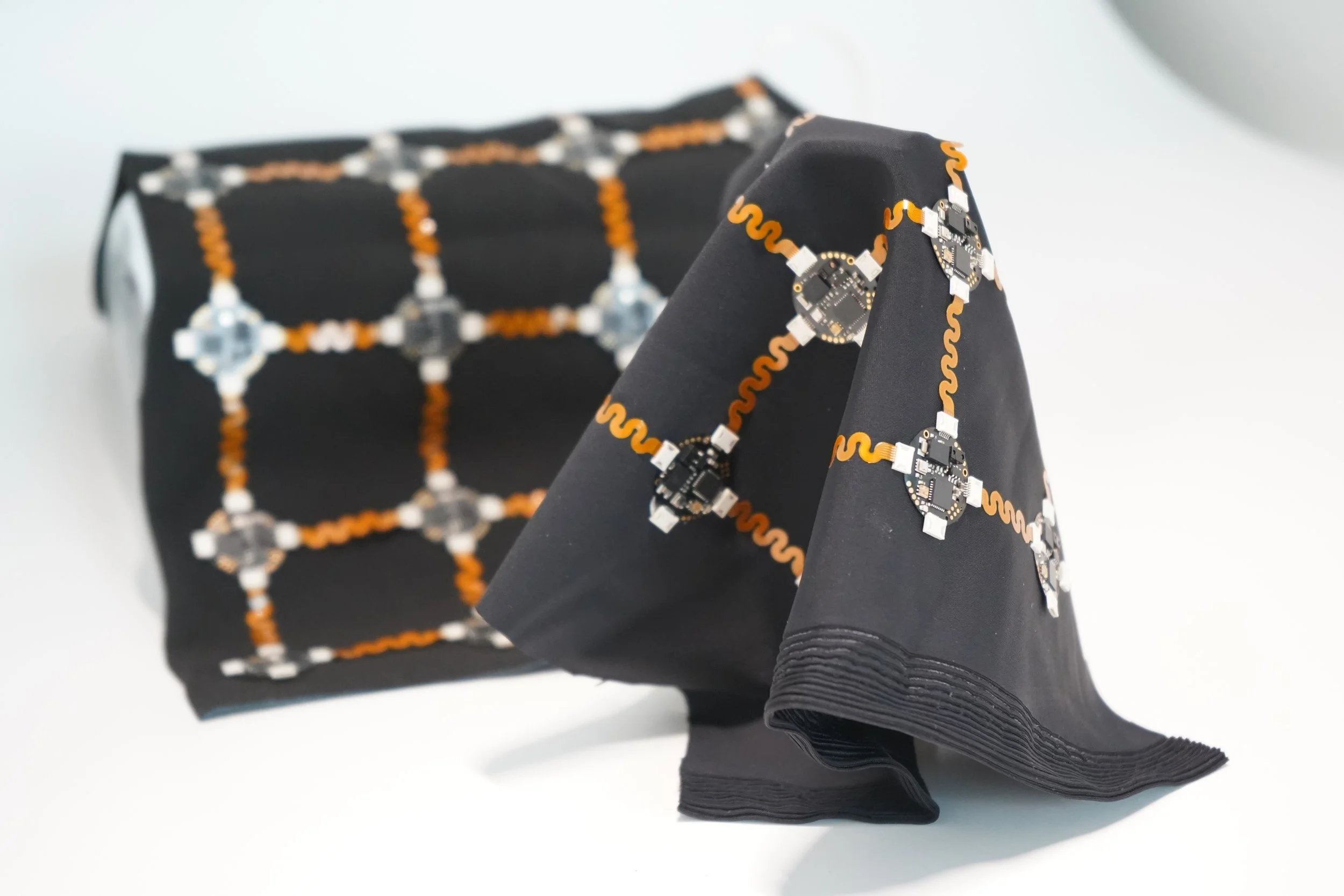
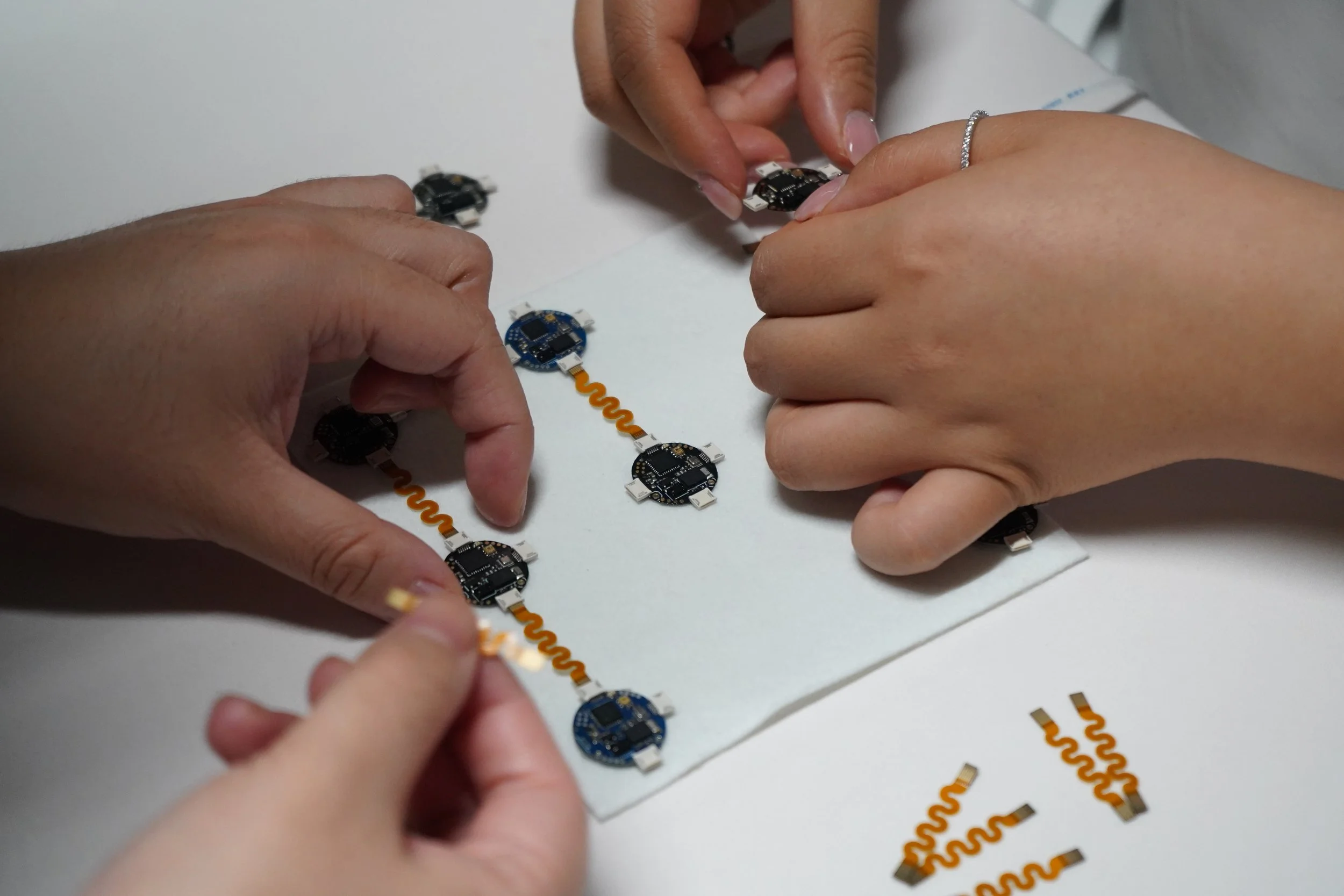
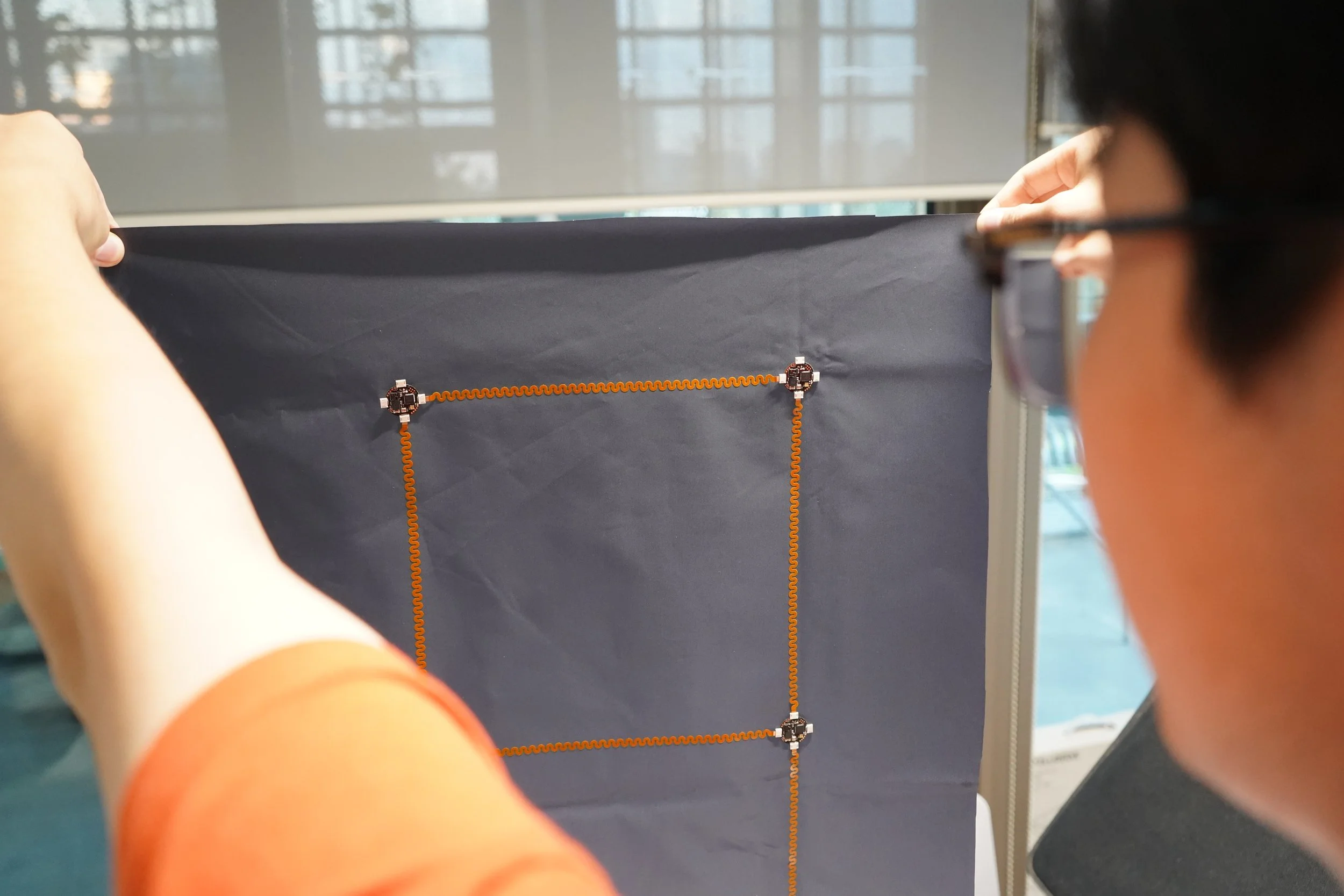
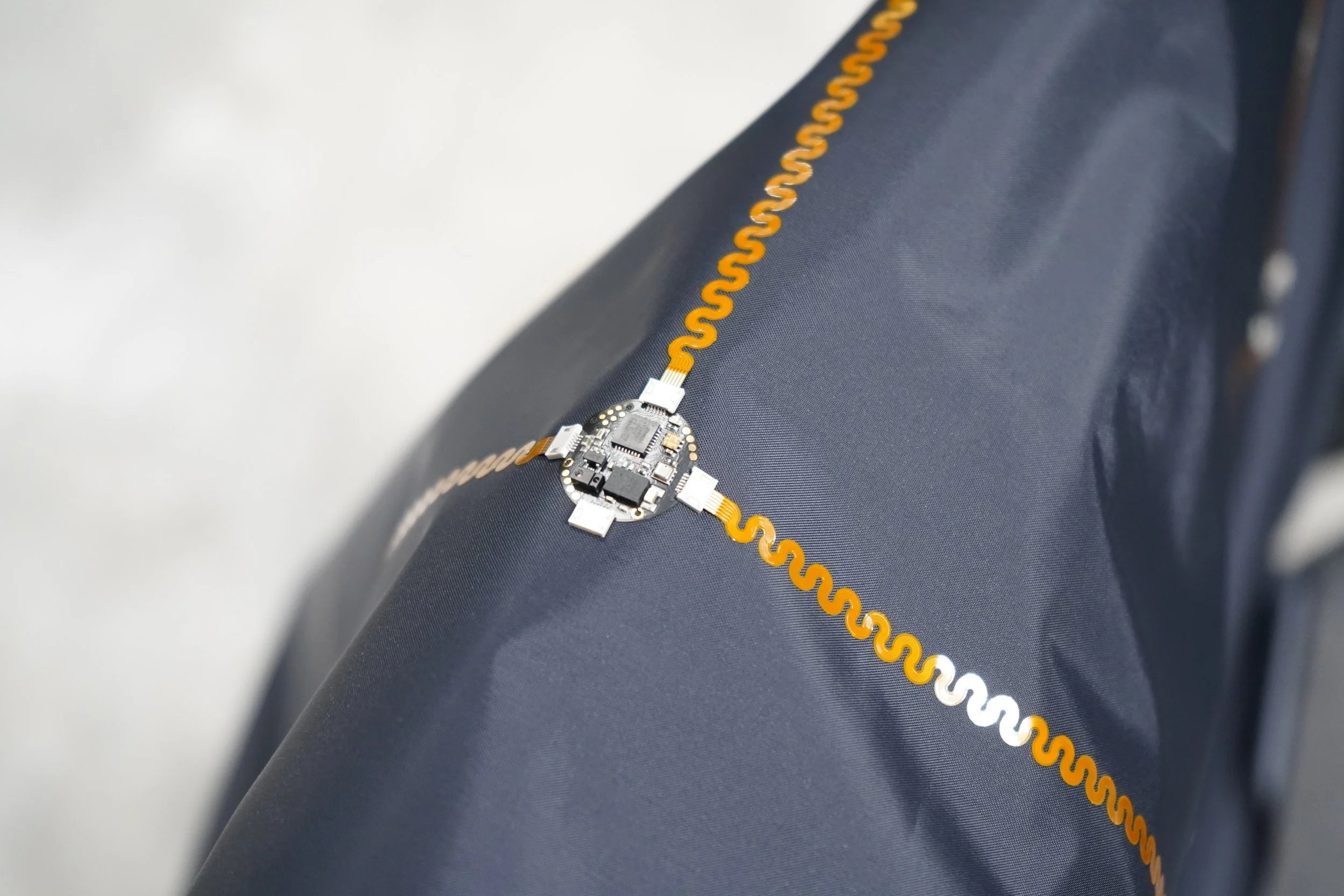
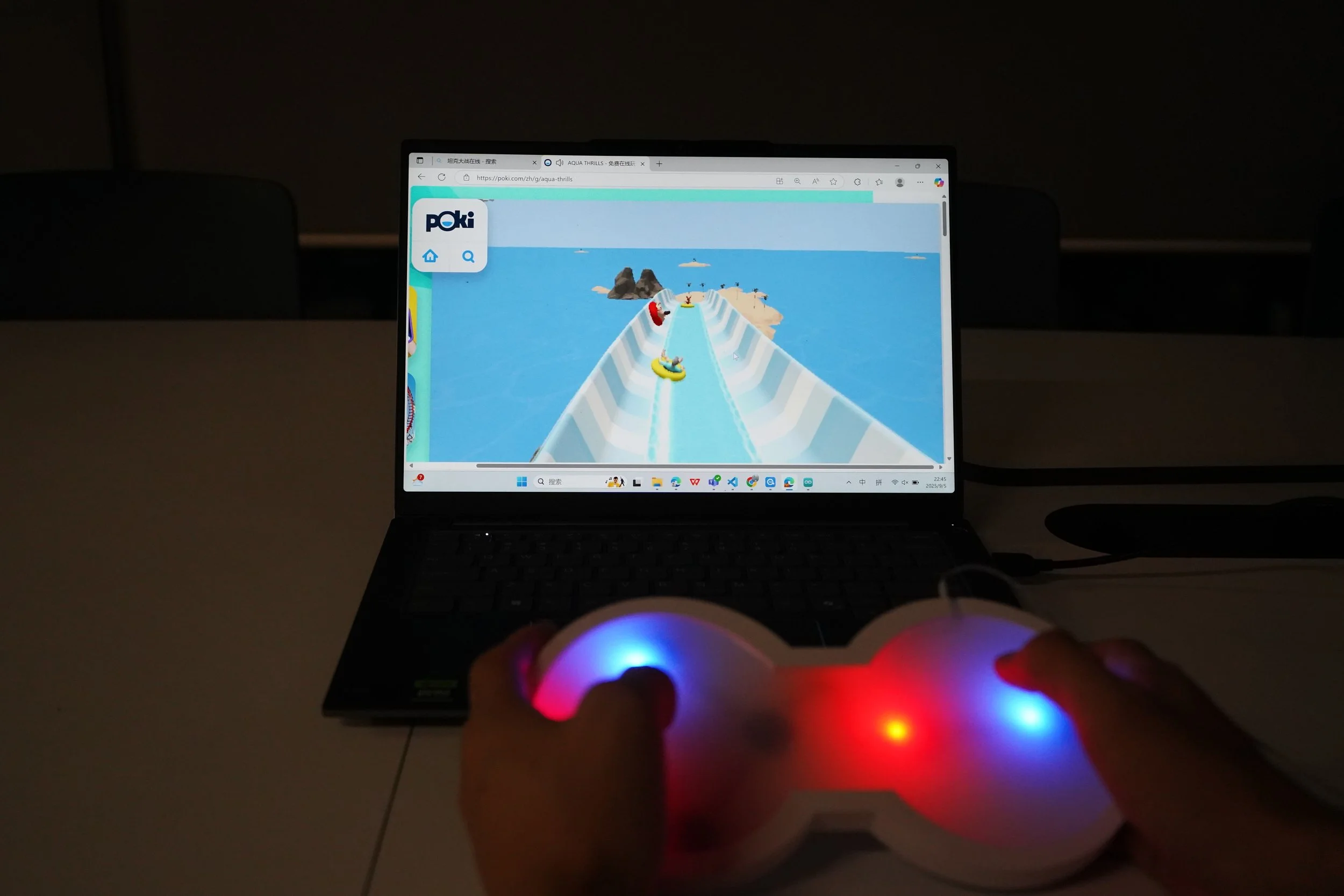
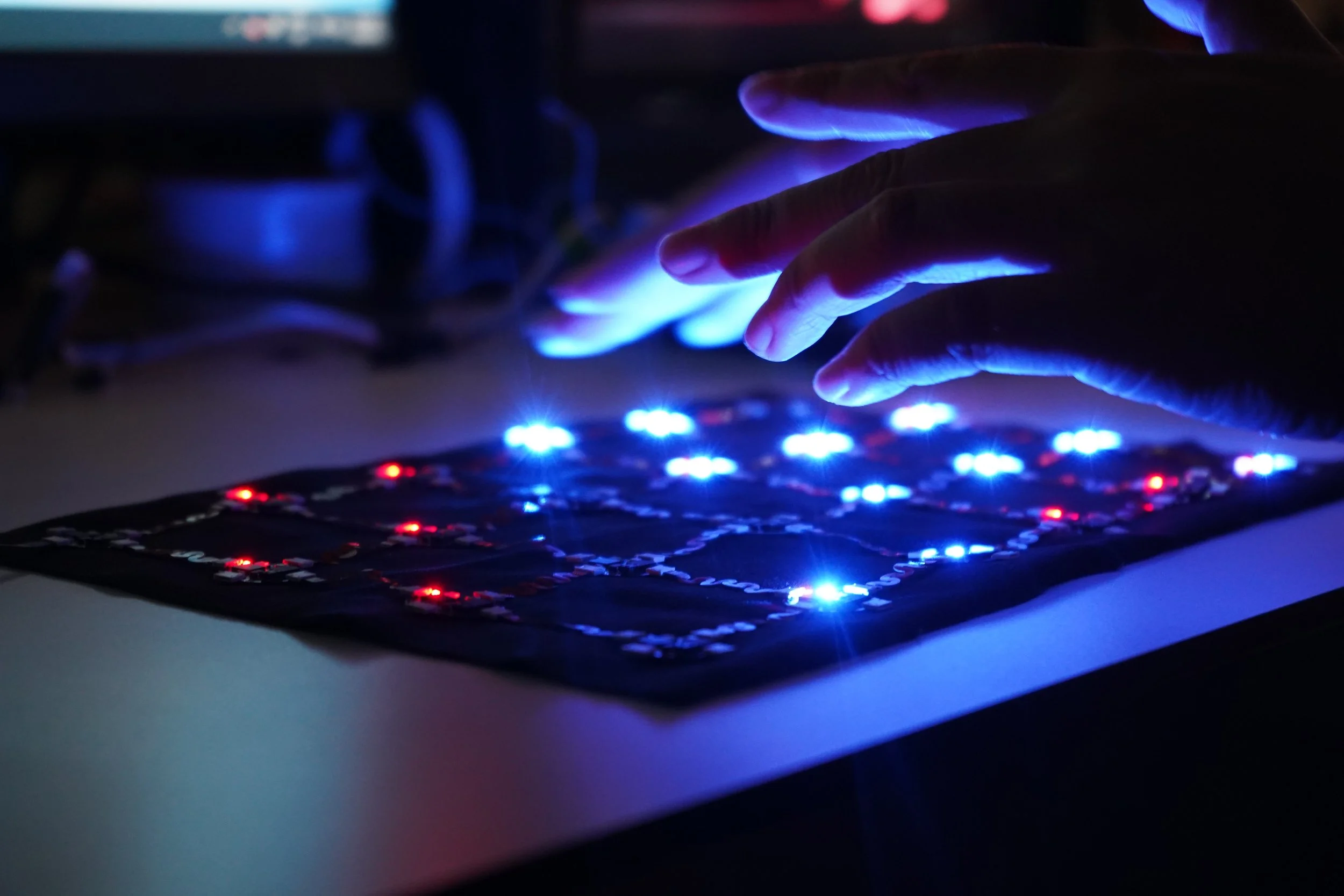
NETs (NETworked Stretchable and Scalable Sensor Nodes), introduces a modular platform of miniaturized nodes connected through stretchable interconnects, forming reconfigurable and deformable networks. It supports local on-node processing, peer-to-peer and global communication networks, and multiple modalities, including motion, touch, proximity, temperature, humidity, light, and pressure, along with on-node displays. Its plug-and-play, self-organizing architecture automatically identifies connected nodes and maps network topology, aware of their different functions once deployed, and can be cut, unplugged, and rejoined to many forms. From smart garments and interactive objects to large-area grids, NETs takes a further step toward deploying sensing and computation on everyday materials and surfaces
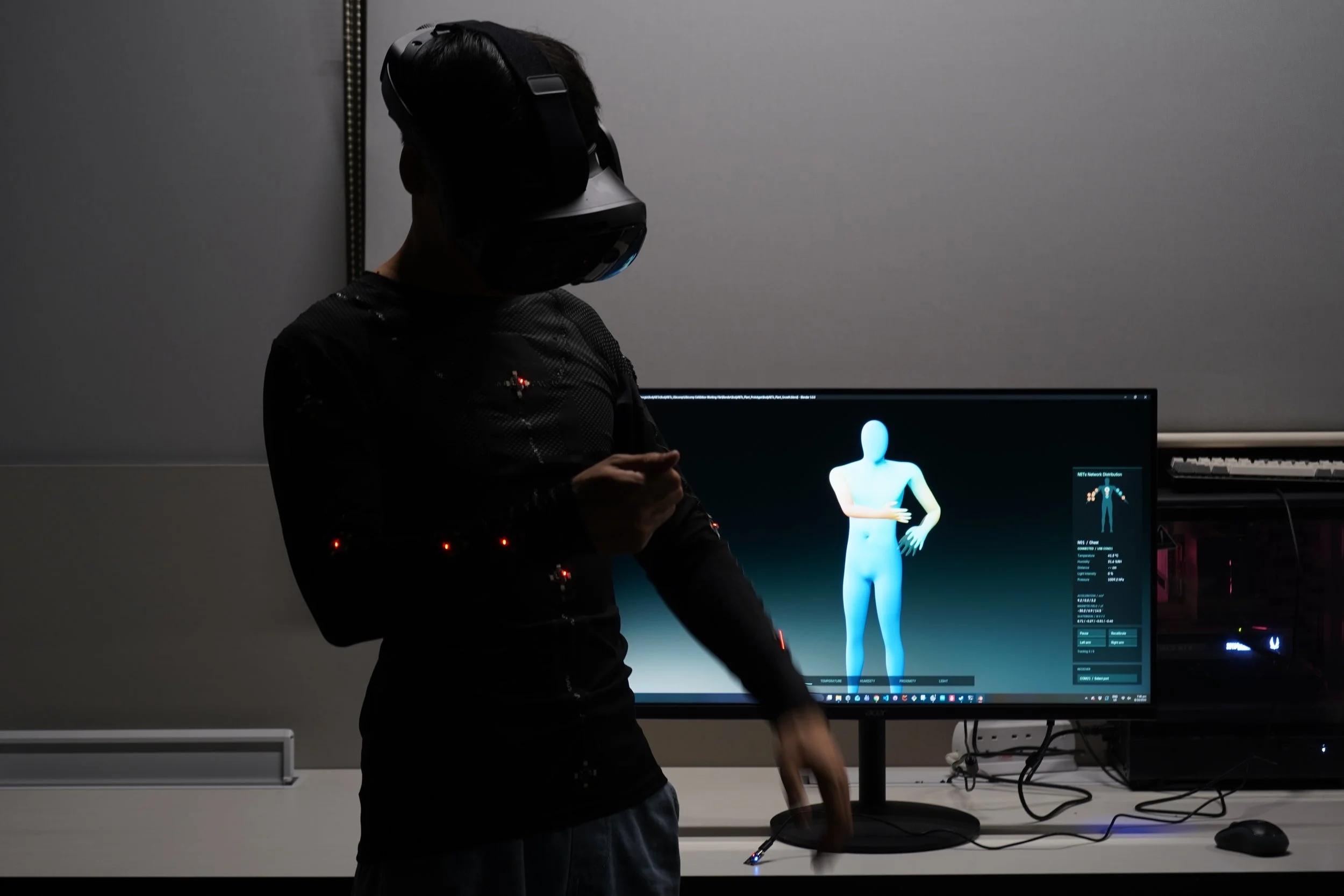
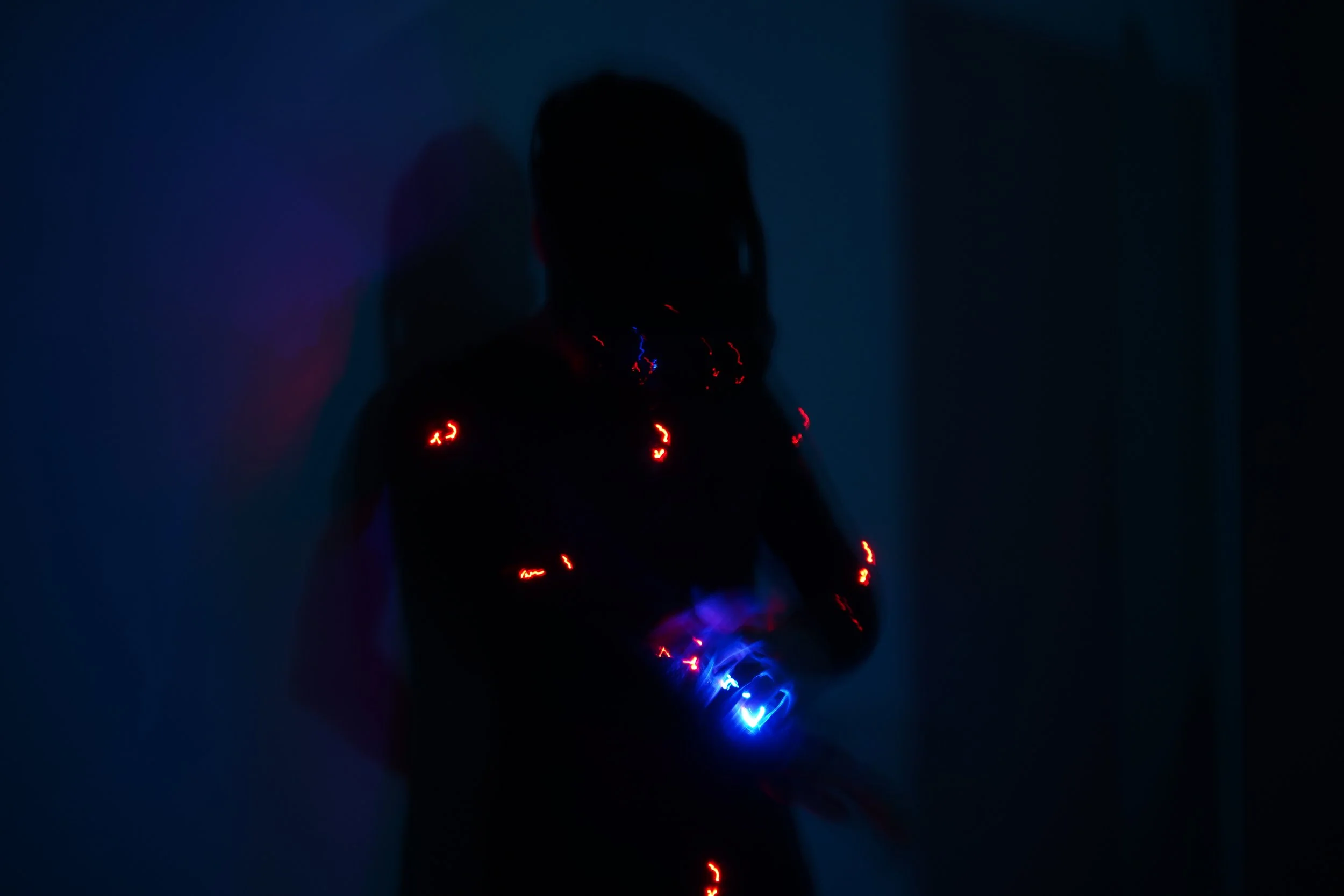
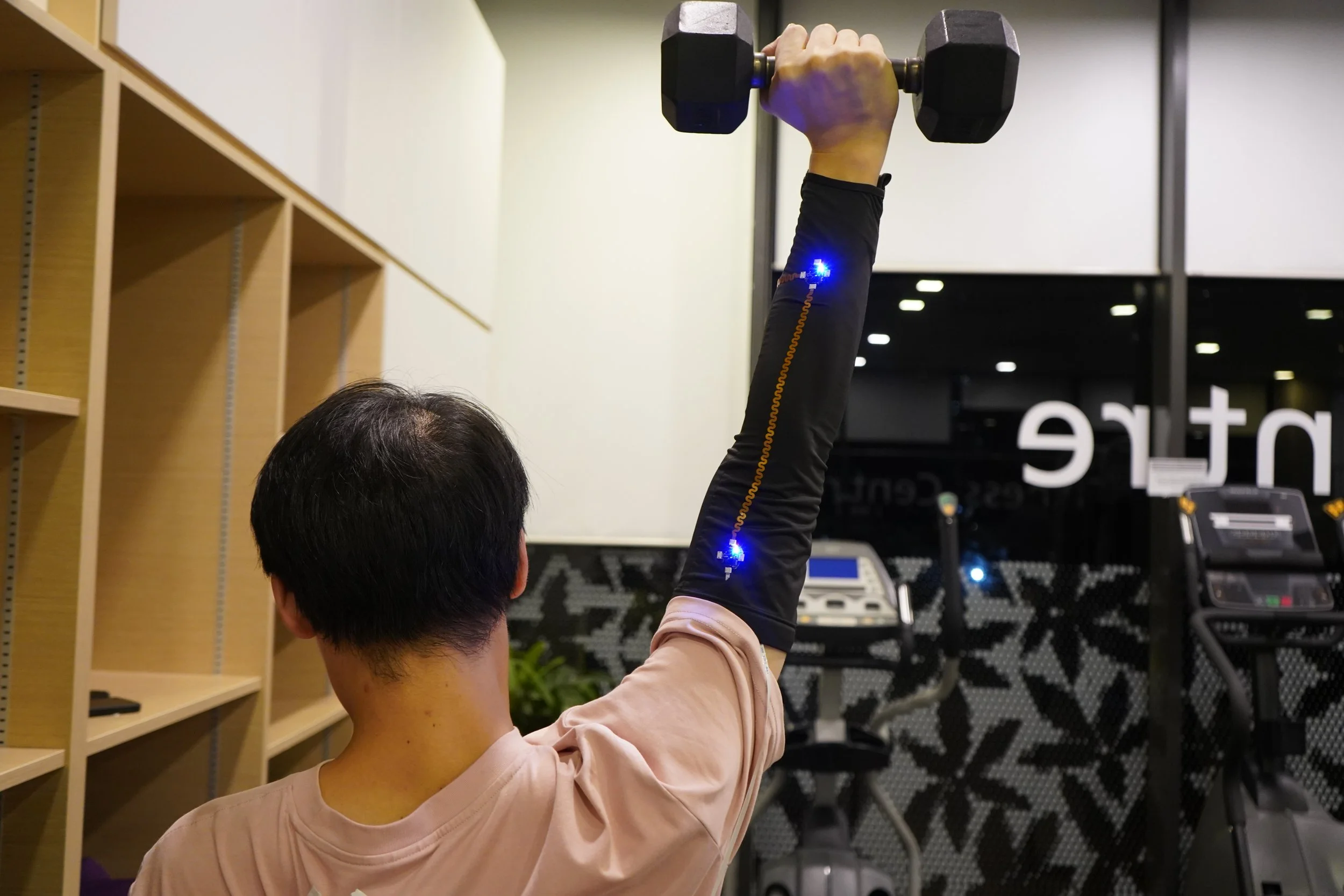
BodyNETs distributes miniaturized, flexible sensing nodes across garments and body regions, capturing movement, gestures, and environmental conditions. We demonstrate applications spanning gesture-based interaction, robotic teleoperation, motion capture, and longitudinal monitoring of bodily activities and environmental context. Beyond conventional sensing, we explore how wearable technologies can enhance bodily awareness and environmental attunement. Through immersive visualization, BodyNETs translates sensor data into spatial experiences: from body-mapped heatmaps to dynamic ripples and organic 3D forms that emerge from the body and extend into surrounding space.
Inspired by proprioception and embodied perception, our work explores how subtle movements and environmental changes can become perceptible, shifting wearable computing from simply measuring the body toward enriching how we experience ourselves and our surroundings.
-
![]()
BodyNETs
-
![]()
BodyNETs
-
![]()
NETs
-
![]()
NETs
-
![]()
NETs
-
![]()
NETs
-
![]()
NETs
-
![NETs]()
NETs